OnePlus 15 vs OnePlus 13
Verified 2026-10-03
A factual specification comparison between the OnePlus 15 and the OnePlus 13.
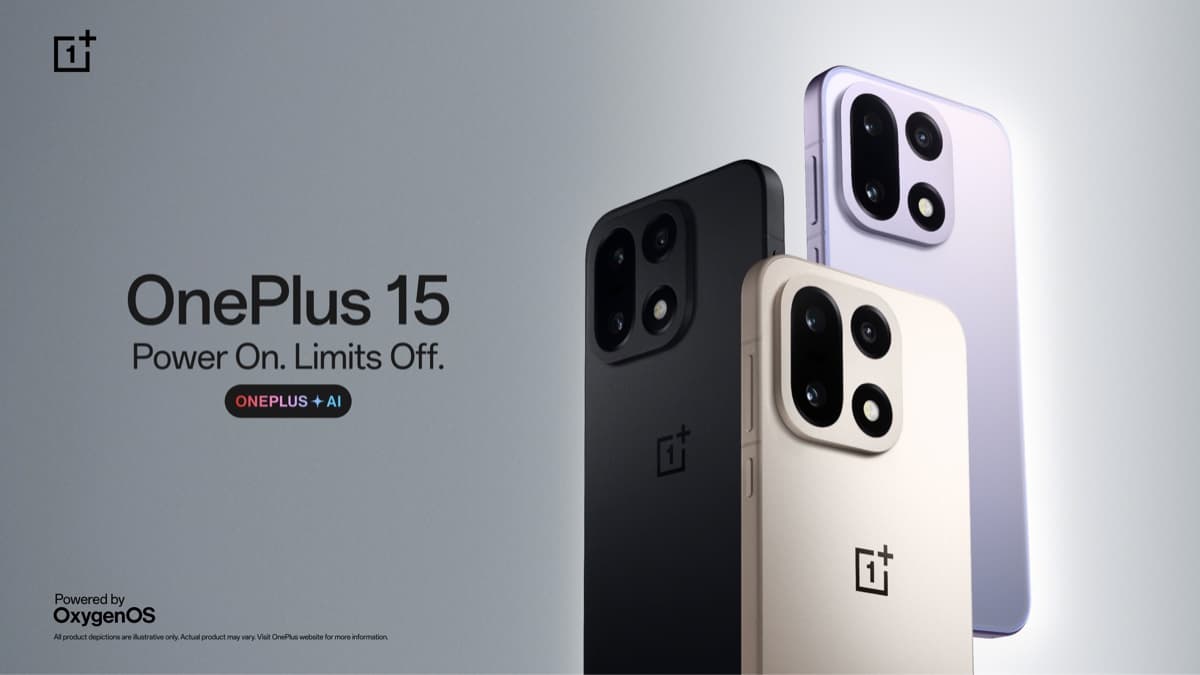
Image: OnePlus Technology (Shenzhen) Co., Ltd.
Specs: source
View full specs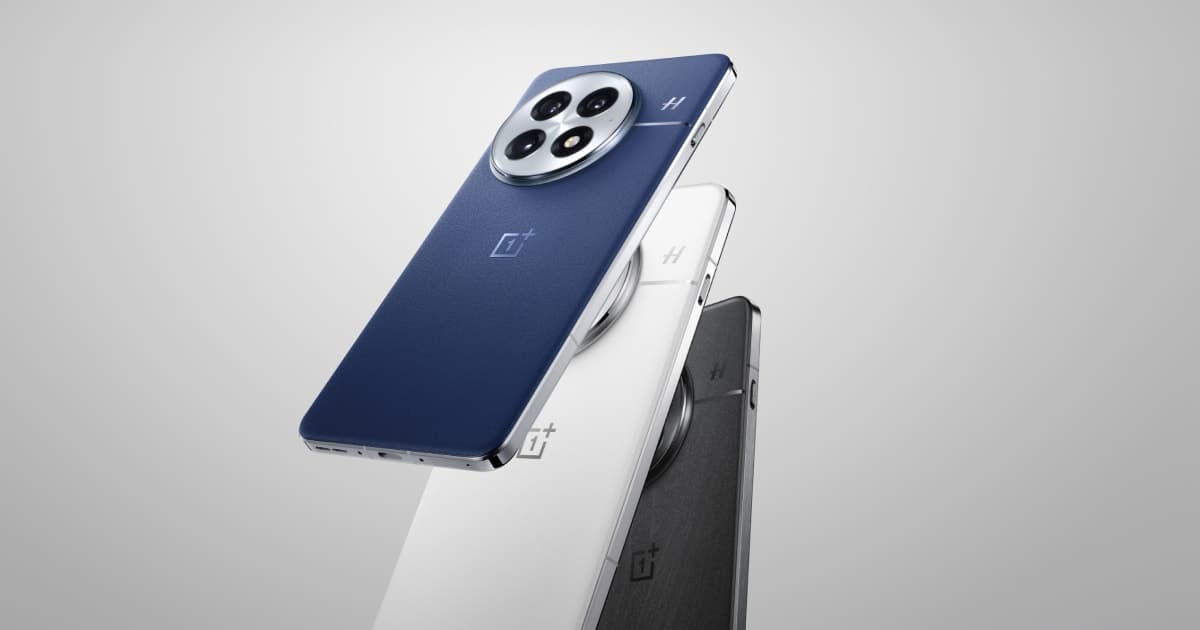
Image: OnePlus Technology
Specs: source
View full specsKey differences
| Specification | OnePlus 15 | OnePlus 13 |
|---|---|---|
| Water resistance | IP66, IP68, IP69, and IP69K certified | IP68/IP69 (dust tight and water resistant, including high-pressure water jets; immersible up to 1.5m for 30 min) |
| Display | 6.78-inch AMOLED, 165Hz refresh rate | 6.82-inch 120Hz ProXDR AMOLED (LTPO 4.1) |
| Chipset | Snapdragon 8 Elite Gen 5 | Qualcomm Snapdragon 8 Elite Mobile Platform (Oryon CPU up to 4.32GHz) |
| Wired charging | 120W SUPERVOOC wired fast charging | 80W SUPERVOOC standard, up to 100W with compatible adapter |
| USB | USB 3.2 Gen 1 Type-C | USB-C (USB 3.2 Gen 1) |
| Operating system at launch | OxygenOS 16 (Android) | Android 15, OxygenOS 15.0 |
| Weight | 211 g | 213g (Arctic Dawn, Black Eclipse) or 210g (Midnight Ocean) |
| Refresh rate | 165 | 120 |
| Battery capacity | 7300 | 6000 |
| Resolution | 2772 x 1272 (FHD+) | 3168×1440 pixels (QHD+, ~510 ppi) |
Facts shown above are the specifications where both devices have a confirmed value and those values differ — not an indication that either device is better. Showing 10 of 11 differing facts, spread across categories — see the full specification table below for the rest.
Configurations
OnePlus 15
- 256GB / 12GB RAM
- 512GB / 16GB RAM
OnePlus 13
- 256GB / 12GB RAM
- 512GB / 16GB RAM
Cameras
OnePlus 15
- Rear · Main: 50MP
- Rear · Ultra Wide: 50MP
- Rear · Telephoto: 50MP
- Front · Front: 32MP
OnePlus 13
- Rear · Wide: 50MP
- Rear · Telephoto: 50MP
- Rear · Ultrawide: 50MP
- Front · Wide: 32MP
Specifications
| Specification | OnePlus 15 | OnePlus 13 |
|---|---|---|
| Design & Build | ||
| Water resistance | IP66, IP68, IP69, and IP69K certified | IP68/IP69 (dust tight and water resistant, including high-pressure water jets; immersible up to 1.5m for 30 min) |
| Colors | — | Arctic Dawn, Black Eclipse, Midnight Ocean |
| Weight | 211 g | 213g (Arctic Dawn, Black Eclipse) or 210g (Midnight Ocean) |
| Dimensions | — | 162.9 × 76.5 × 8.5 mm (8.9mm on Midnight Ocean) |
| Display | ||
| Display | 6.78-inch AMOLED, 165Hz refresh rate | 6.82-inch 120Hz ProXDR AMOLED (LTPO 4.1) |
| Peak brightness (nits) | — | 4500 |
| Refresh rate (Hz) | 165 | 120 |
| Resolution | 2772 x 1272 (FHD+) | 3168×1440 pixels (QHD+, ~510 ppi) |
| HDR support | — | Dolby Vision, HDR 10+, HDR Vivid |
| Performance | ||
| Chipset model name | — | Snapdragon 8 Elite |
| Chipset | Snapdragon 8 Elite Gen 5 | Qualcomm Snapdragon 8 Elite Mobile Platform (Oryon CPU up to 4.32GHz) |
| Battery & Charging | ||
| Wired charging | 120W SUPERVOOC wired fast charging | 80W SUPERVOOC standard, up to 100W with compatible adapter |
| Battery capacity (mAh) | 7300 | 6000 |
| Wireless charging | 50W AIRVOOC wireless fast charging | 50W AIRVOOC |
| Camera | ||
| Video recording | — | Rear: 8K at 30fps, 4K at 60/30fps, 1080p at 60/30fps; Front: 4K at 60/30fps, 1080p at 60/30fps |
| Connectivity | ||
| Bluetooth | — | Bluetooth 5.4 (aptX HD, LDAC) |
| SIM | — | Dual nano-SIM + eSIM support (availability varies by carrier) |
| Wi-Fi | — | Wi-Fi 7, Wi-Fi 6, Wi-Fi 5 (160/320MHz channels) |
| NFC | — | Yes |
| Cellular technology | — | 5G SA, 4G LTE (FDD and TDD), 3G WCDMA, 2G GSM |
| Positioning | — | GPS (L1+L5), Galileo (E1+E5a) |
| USB | USB 3.2 Gen 1 Type-C | USB-C (USB 3.2 Gen 1) |
| Software | ||
| Operating system at launch | OxygenOS 16 (Android) | Android 15, OxygenOS 15.0 |
| Security & Sensors | ||
| Biometric authentication | — | Ultrasonic in-display fingerprint |
Sources & verification
OnePlus 15
Verified 2026-10-03- OnePlus Technology (Shenzhen) Co., Ltd.Manufacturer specificationsTier 1
- OnePlus Technology (Shenzhen) Co., Ltd.Manufacturer newsroomTier 1
OnePlus 13
Verified 2026-10-01- OnePlus TechnologyManufacturer specificationsTier 1
- GSMArena — OnePlus 13Independent technical sourceTier 2
Tier 1 sources are the manufacturer's own product pages, technical specification sheets, or support documentation. Tier 2 sources are reputable independent technical references, used only for facts that couldn't be confirmed from official documentation, as is the case for some facts here.