iPhone 18 Pro Max vs iPhone 18 Pro
Verified 2026-10-04
A factual specification comparison between the iPhone 18 Pro Max and the iPhone 18 Pro.
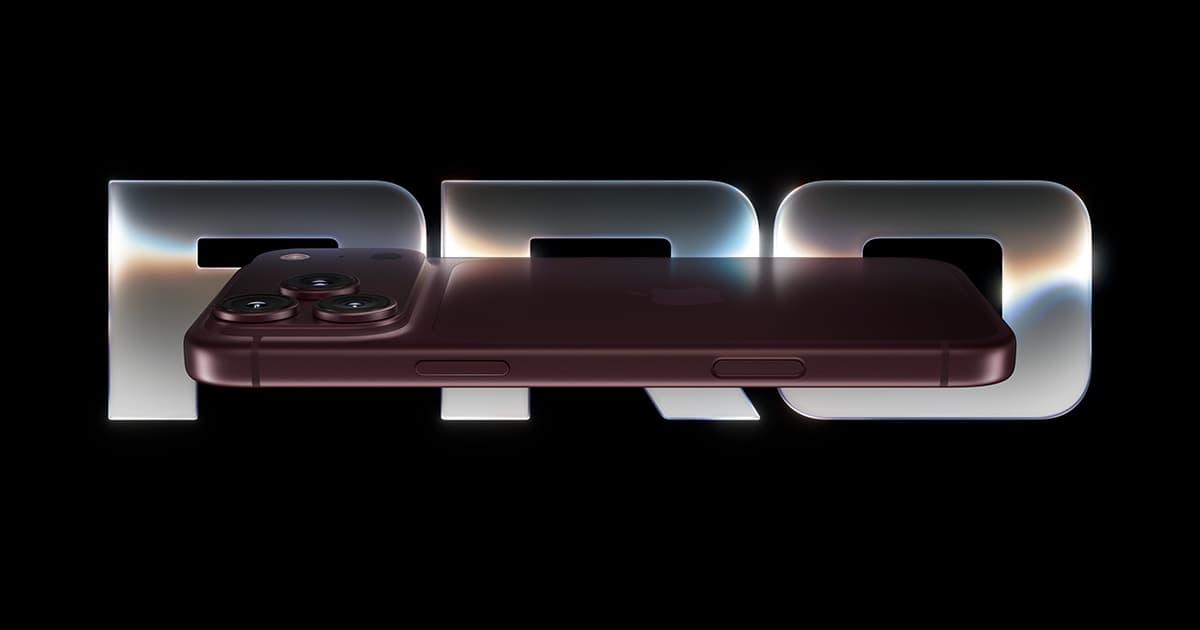
Image: Apple Inc.
AppleiPhone 18 Pro
Fully verifiedSmartphoneReleased · 2026-09-12Announced 2026-09-09
Specs: source
View full specsKey differences
| Specification | iPhone 18 Pro Max | iPhone 18 Pro |
|---|---|---|
| Water resistance | IP68 (6 meters up to 30 minutes) | IP68 (maximum depth of 6 meters up to 30 minutes) under IEC standard 60529 |
| Weight | 249 g | 211 g |
| Dimensions | 163.4 x 78.0 x 8.75 mm | 150.0 x 71.9 x 8.75 mm |
| Display | 6.9-inch OLED, 2868x1320 at 460 ppi | 6.3-inch Super Retina XDR OLED, ProMotion up to 120Hz, Always-On, HDR display, True Tone, Wide color (P3) |
| Chipset | A20 Pro chip (6-core CPU, 7-core GPU) | Apple A20 Pro: 6-core CPU (2 performance + 4 efficiency), 7-core GPU with Neural Accelerators, 16-core Neural Engine |
| Video playback | Up to 45 hours (standard), up to 40 hours (streamed) | Up to 36 hours (up to 33 hours streamed) |
| Operating system at launch | iOS 26 | iOS 27 |
Facts shown above are the specifications where both devices have a confirmed value and those values differ — not an indication that either device is better.
Configurations
iPhone 18 Pro Max
- 256GB
- 512GB
- 1024GB
- 2048GB
iPhone 18 Pro
- 256GB
- 512GB
- 1024GB
- 2048GB
Cameras
iPhone 18 Pro Max
- Rear · Main: 48MP, ƒ/1.48–ƒ/4
- Rear · Ultra Wide: 48MP, ƒ/2.2
- Rear · Telephoto: 48MP, ƒ/2.8
- Front · Center Stage: 18MP, ƒ/1.9
iPhone 18 Pro
- Rear · Main (Fusion): 48MP, ƒ/1.48–ƒ/4
- Rear · Ultra Wide (Fusion): 48MP, ƒ/2.2
- Rear · Telephoto (Fusion, 4x): 48MP, ƒ/2.8
- Front · Center Stage: 18MP, ƒ/1.9
Specifications
| Specification | iPhone 18 Pro Max | iPhone 18 Pro |
|---|---|---|
| Design & Build | ||
| Water resistance | IP68 (6 meters up to 30 minutes) | IP68 (maximum depth of 6 meters up to 30 minutes) under IEC standard 60529 |
| Colors | Black, Silver, Glacier, Burgundy | Black, Silver, Glacier, Burgundy |
| Weight | 249 g | 211 g |
| Dimensions | 163.4 x 78.0 x 8.75 mm | 150.0 x 71.9 x 8.75 mm |
| Build materials | — | Aluminum unibody, Ceramic Shield 2 front, Ceramic Shield back |
| Display | ||
| Display | 6.9-inch OLED, 2868x1320 at 460 ppi | 6.3-inch Super Retina XDR OLED, ProMotion up to 120Hz, Always-On, HDR display, True Tone, Wide color (P3) |
| Peak brightness (nits) | — | 3000 |
| Refresh rate (Hz) | — | 120 |
| Resolution | — | 2622x1206 at 460 ppi |
| HDR support | — | HDR display |
| Performance | ||
| Chipset model name | — | A20 Pro |
| Chipset | A20 Pro chip (6-core CPU, 7-core GPU) | Apple A20 Pro: 6-core CPU (2 performance + 4 efficiency), 7-core GPU with Neural Accelerators, 16-core Neural Engine |
| Battery & Charging | ||
| Wired charging | — | USB-C, fast charging supported |
| Video playback | Up to 45 hours (standard), up to 40 hours (streamed) | Up to 36 hours (up to 33 hours streamed) |
| Wireless charging | — | MagSafe wireless charging up to 25W; Qi2 wireless charging up to 25W |
| Camera | ||
| Video recording | — | 4K Dolby Vision up to 120fps (Fusion Main), ProRes, Cinematic mode up to 4K60, Action mode up to 2.8K60, Spatial video at 1080p30 |
| Connectivity | ||
| Bluetooth | — | Bluetooth 6 |
| SIM | — | Dual eSIM (two active eSIMs; not compatible with physical SIM cards) |
| Wi-Fi | — | Wi-Fi 7 (802.11be) with 2x2 MIMO |
| NFC | — | Yes |
| Cellular technology | — | 5G NR (sub-6GHz and mmWave), Gigabit LTE |
| Positioning | — | Precision dual-frequency GPS (GPS, GLONASS, Galileo, QZSS, BeiDou, NavIC), digital compass |
| USB | — | USB-C with USB 3 support (up to 10Gb/s), DisplayPort |
| Software | ||
| Operating system at launch | iOS 26 | iOS 27 |
| Security & Sensors | ||
| Biometric authentication | — | Face ID (TrueDepth via Center Stage front camera) |
Sources & verification
iPhone 18 Pro Max
Verified 2026-10-04- Apple Inc.Manufacturer specificationsTier 1
iPhone 18 Pro
Verified 2026-10-03- Apple Inc.Manufacturer specificationsTier 1
- Apple Inc.Manufacturer newsroomTier 1
Tier 1 sources are the manufacturer's own product pages, technical specification sheets, or support documentation. Tier 2 sources are reputable independent technical references, used only for facts that couldn't be confirmed from official documentation.