Razer Blade 14 (2025) vs Blade 16
Verified 2026-10-03
A factual specification comparison between the Razer Blade 14 (2025) and the Blade 16.
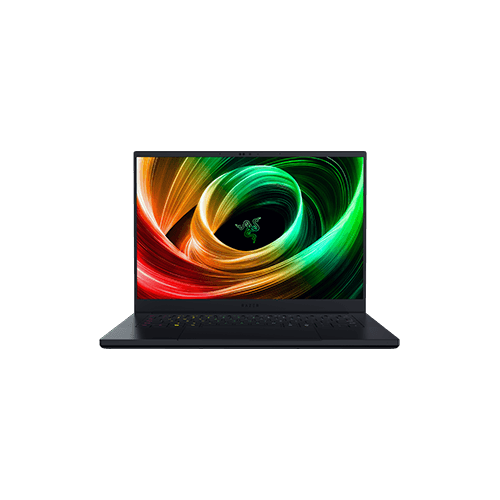
Image: Razer Inc.
Razer · LaptopRazer Blade 14 (2025)
- Status
- Released · 2025-09-01
- Announced
- Announced 2025-09-01
- Verification
- Verified
- Last checked
- Checked 2026-10-03
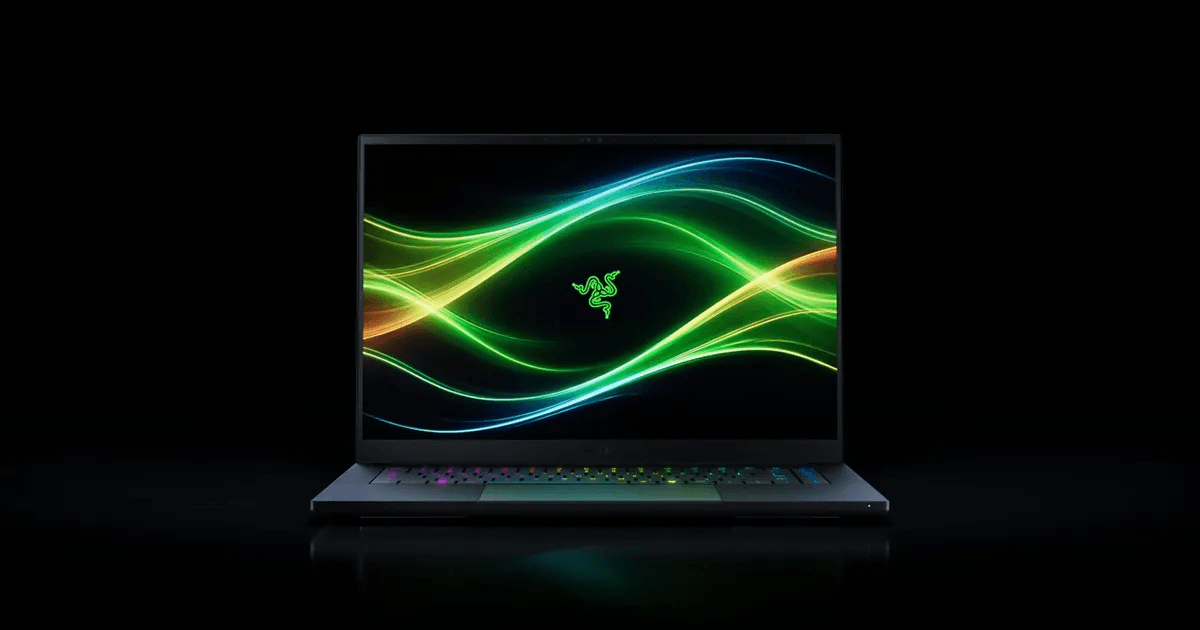
Image: Razer Inc.
Key differences
SpecificationRazer Blade 14 (2025)Blade 16
Design & Build
| Specification | Razer Blade 14 (2025) | Blade 16 |
|---|---|---|
| Weight (differs) | 1.63 kg (3.59 lb) | 2.14 kg (4.71 lbs) |
| Dimensions (differs) | 310.70 x 224.30 x 15.80-16.20 mm | 250.5 × 355 × 14.9-17.4 mm |
Display
| Specification | Razer Blade 14 (2025) | Blade 16 |
|---|---|---|
| Display (differs) | 14-inch QHD+ 120Hz OLED | 16-inch QHD+ 240Hz OLED |
| Resolution (differs) | 2880x1800 | 2560×1600 pixels |
Performance
| Specification | Razer Blade 14 (2025) | Blade 16 |
|---|---|---|
| Chipset (differs) | AMD Ryzen AI 9 365 (10-core / 20-thread, 2GHz base / 5GHz max boost) with Radeon 880M integrated graphics | Intel Core Ultra 9 Processor 386H, 2.1GHz (up to 4.9GHz, 18MB Cache, 16 cores, 16 threads); Intel NPU up to 50 TOPS |
Memory & Storage
| Specification | Razer Blade 14 (2025) | Blade 16 |
|---|---|---|
| Storage options (differs) | 1TB / 16GB RAM | 1TB / 32GB RAM, 2TB / 64GB RAM |
Battery & Charging
| Specification | Razer Blade 14 (2025) | Blade 16 |
|---|---|---|
| Charging (differs) | 200W power adapter; USB-C charging supported (20V PD 3.0, 100W) via USB4 ports | 280W AC adapter (20V DC, 12.5A); 50% in 30 min, 80% in 48 min |
Connectivity
| Specification | Razer Blade 14 (2025) | Blade 16 |
|---|---|---|
| Wi-Fi (differs) | Wi-Fi 7 (802.11be) | Wi-Fi 7 (802.11be), triple band, 2x2 |
Ports & Expansion
| Specification | Razer Blade 14 (2025) | Blade 16 |
|---|---|---|
| Ports (differs) | 2x USB 3.2 Gen 2 Type-A, 2x USB4 Type-C (Power Delivery + DisplayPort 2.1), HDMI 2.1, MicroSD card reader (UHS-II), 3.5mm headphone/mic combo | 1x 3.5mm combo audio jack, 1x HDMI 2.1 FRL, 3x USB 3.2 Gen 2 Type-A, 1x Thunderbolt 5, 1x Thunderbolt 4, 1x SD card reader (UHS-II, 312MB/s) |
Software
| Specification | Razer Blade 14 (2025) | Blade 16 |
|---|---|---|
| Operating system at launch (differs) | Windows 11 Home | Windows 11 |
These are specifications where both devices have a confirmed value and the values differ. A difference is not a judgement that either device is better. Showing 10 of 18 differences; the full specifications below include all of them.
Full specifications
differs · Not disclosed: not published by the manufacturer · —: not recorded
SpecificationRazer Blade 14 (2025)Blade 16
Design & Build
4 differences
| Specification | Razer Blade 14 (2025) | Blade 16 |
|---|---|---|
| Weight (differs) | 1.63 kg (3.59 lb) | 2.14 kg (4.71 lbs) |
| Dimensions (differs) | 310.70 x 224.30 x 15.80-16.20 mm | 250.5 × 355 × 14.9-17.4 mm |
| Colors | Black · same on both | |
| Build materials (differs) | CNC aluminum chassis, anodized black finish | CNC-milled aluminum chassis, anodized black finish with fingerprint-resistive coating, backlit green Razer logo |
| Keyboard (differs) | Per-key RGB keyboard powered by Razer Chroma, N-Key rollover; precision glass touchpad | 1.5mm key travel; switches rated for up to 6 million keystrokes |
Display
3 differences
| Specification | Razer Blade 14 (2025) | Blade 16 |
|---|---|---|
| Display (differs) | 14-inch QHD+ 120Hz OLED | 16-inch QHD+ 240Hz OLED |
| Resolution (differs) | 2880x1800 | 2560×1600 pixels |
| Refresh rate (differs) | 120 Hz | 240 Hz |
| Peak brightness | Not disclosed | 1100 nits |
Performance
2 differences
| Specification | Razer Blade 14 (2025) | Blade 16 |
|---|---|---|
| Chipset (differs) | AMD Ryzen AI 9 365 (10-core / 20-thread, 2GHz base / 5GHz max boost) with Radeon 880M integrated graphics | Intel Core Ultra 9 Processor 386H, 2.1GHz (up to 4.9GHz, 18MB Cache, 16 cores, 16 threads); Intel NPU up to 50 TOPS |
| Graphics (differs) | NVIDIA GeForce RTX 5060 (8GB GDDR7 VRAM, 100W TGP + 15W Dynamic Boost, 3328 CUDA cores, DLSS 4) | NVIDIA GeForce RTX 5090 Laptop GPU, 24GB GDDR7, up to 165W TGP (140W + 25W Dynamic Boost) |
Memory & Storage
3 differences
| Specification | Razer Blade 14 (2025) | Blade 16 |
|---|---|---|
| Storage options (differs) | 1TB / 16GB RAM | 1TB / 32GB RAM, 2TB / 64GB RAM |
| Storage type (differs) | 1TB SSD (M.2 NVMe PCIe 4.0 x4) | PCIe 4.0 NVMe M.2 SSD, expandable up to 8TB across 2x M.2 slots |
| Memory type (differs) | 16GB LPDDR5X 8000MHz (soldered) | LPDDR5X 9600, soldered (fixed, not upgradeable) |
Battery & Charging
2 differences
| Specification | Razer Blade 14 (2025) | Blade 16 |
|---|---|---|
| Battery life | Not disclosed | Up to 13 hours (Modern Office) |
| Charging (differs) | 200W power adapter; USB-C charging supported (20V PD 3.0, 100W) via USB4 ports | 280W AC adapter (20V DC, 12.5A); 50% in 30 min, 80% in 48 min |
| Battery capacity (Wh) (differs) | 72 | 90 |
Camera
No differences
| Specification | Razer Blade 14 (2025) | Blade 16 |
|---|---|---|
| Webcam | Windows Hello built-in IR FHD webcam (1080p) · same on both | |
Connectivity
2 differences
| Specification | Razer Blade 14 (2025) | Blade 16 |
|---|---|---|
| Wi-Fi (differs) | Wi-Fi 7 (802.11be) | Wi-Fi 7 (802.11be), triple band, 2x2 |
| Bluetooth (differs) | Bluetooth 5.4 | Bluetooth 6.0 |
Ports & Expansion
1 difference
| Specification | Razer Blade 14 (2025) | Blade 16 |
|---|---|---|
| Ports (differs) | 2x USB 3.2 Gen 2 Type-A, 2x USB4 Type-C (Power Delivery + DisplayPort 2.1), HDMI 2.1, MicroSD card reader (UHS-II), 3.5mm headphone/mic combo | 1x 3.5mm combo audio jack, 1x HDMI 2.1 FRL, 3x USB 3.2 Gen 2 Type-A, 1x Thunderbolt 5, 1x Thunderbolt 4, 1x SD card reader (UHS-II, 312MB/s) |
Audio
No differences
| Specification | Razer Blade 14 (2025) | Blade 16 |
|---|---|---|
| Speakers | Not recorded | THX Spatial Audio, Built-in dual-array microphone, 6-speaker (dual-force woofer) system with Smart Amplifier Technology, 2 tweeters |
Software
1 difference
| Specification | Razer Blade 14 (2025) | Blade 16 |
|---|---|---|
| Operating system at launch (differs) | Windows 11 Home | Windows 11 |
Security & Sensors
No differences
| Specification | Razer Blade 14 (2025) | Blade 16 |
|---|---|---|
| Biometric authentication | Not disclosed | Windows Hello Enhanced Sign-in Security (ESS), Secured-core PC (Level 3), Pluton Security Processor, TPM 2.0 |
| Security features | Trusted Platform Module (TPM) 2.0, Microsoft Pluton, Kensington Security Slot | Not recorded |
Terms used on this page (8)
- Nits
- A unit of screen brightness (candela per square metre). Typical, HDR and outdoor peak figures are measured under different conditions.
- Refresh rate (Hz)
- How many times per second the display can redraw the image.
- mAh and Wh
- Battery capacity. mAh is charge; Wh also accounts for voltage, so it is the more comparable energy figure across device types.
- Wi-Fi 6E / Wi-Fi 7
- Wi-Fi 6E adds the 6 GHz band to Wi-Fi 6; Wi-Fi 7 (802.11be) adds wider channels and multi-link operation. Real speeds depend on the router and network.
- NPU and TOPS
- The NPU is the chip's AI accelerator; TOPS is the manufacturer's quoted peak throughput and is not directly comparable across chip makers.
- OLED
- A display whose pixels emit their own light, so black areas can be fully dark; LCDs use a separate backlight.
- LPDDR and UFS
- LPDDR is a mobile memory (RAM) standard and UFS a flash storage standard; higher version numbers are newer generations.
- Thunderbolt / USB4
- USB-C connection standards for high-speed data, external displays and charging.
Sources & verification
Tier 1 sources are the manufacturer's own product pages, technical specification sheets, or support documentation. Tier 2 sources are reputable independent technical references, used only for facts that couldn't be confirmed from official documentation.
Keep exploring
Related comparisons
- ROG Zephyrus G14 (2025) vs Razer Blade 14 (2025)
- MacBook Pro 14-inch (M6) vs MacBook Pro 14-inch (M5)
- MacBook Pro 14-inch with PROLED XDR Display vs MacBook Pro 14-inch (M6)
- MacBook Pro 16-inch with PROLED XDR Display vs MacBook Pro 16-inch (M5 Pro)
- Laptop 13 vs ThinkPad X1 Carbon Gen 14 Aura Edition
- ThinkPad T14s Gen 7 (Intel) vs ThinkPad X1 Carbon Gen 14 Aura Edition