Fenix 9 vs Apple Watch Ultra 4
Verified 2026-10-04
A factual specification comparison between the Fenix 9 and the Apple Watch Ultra 4.
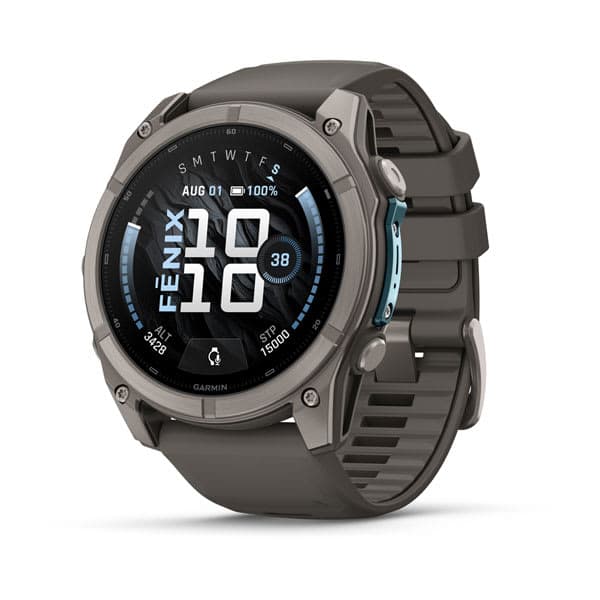
Image: Garmin Ltd.
GarminFenix 9
Fully verifiedSmartwatchReleased · 2026-08-28
Specs: source
View full specs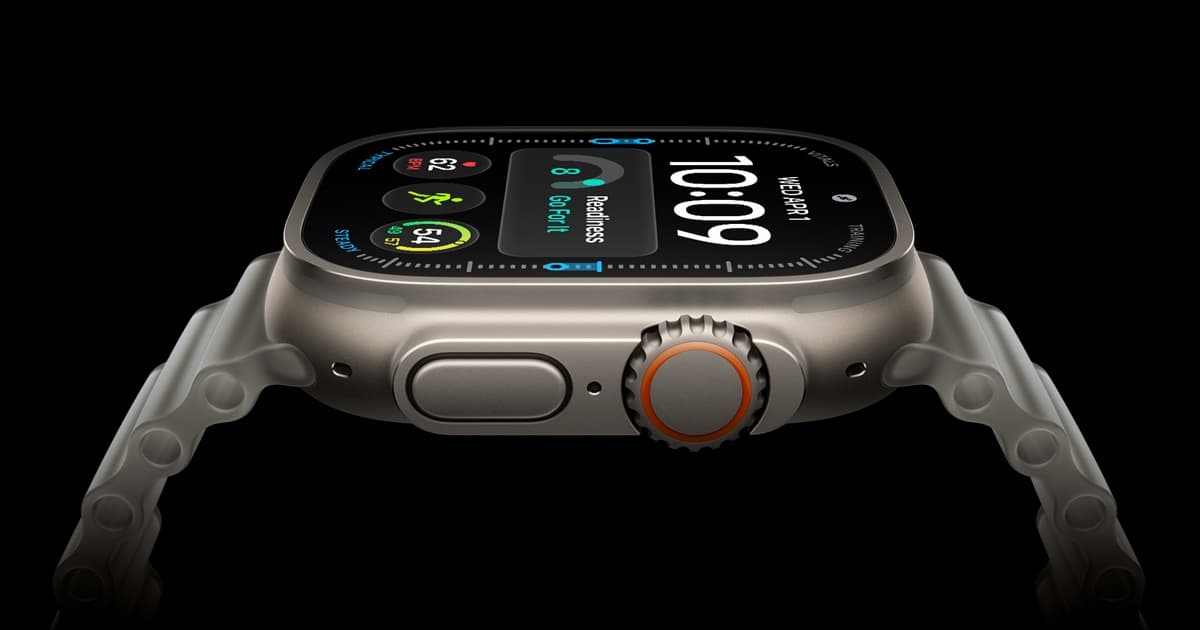
Image: Apple Inc.
AppleApple Watch Ultra 4
Fully verifiedSmartwatchReleased · 2026-09-19Announced 2026-09-09
Specs: source
View full specsKey differences
| Specification | Fenix 9 | Apple Watch Ultra 4 |
|---|---|---|
| Water resistance | Dive-rated to 40 meters | 100m water resistance (ISO standard 22810:2010), IP6X dust resistance (IEC 60529), EN13319 recreational scuba diving to 40m, tested to MIL-STD-810H |
| Case dimensions | Available in 43mm, 47mm, and 51mm case sizes | 49mm height x 44mm width x 12mm depth; fits 130-210mm wrists |
| Build materials | Titanium case | Titanium case (Grade 5) |
| Display | AMOLED display, scratch-resistant sapphire lens | Always-On Retina display, wide-angle OLED, LTPO3 (1Hz minimum refresh), flat sapphire crystal |
| Battery life | Up to 29 days (51mm, smartwatch mode) | Up to 50 hours normal use; up to 84 hours in Low Power Mode; up to 18 hours workout tracking; up to 25 hours Extended Workout; up to 45 hours Max Extended Workout |
| Positioning | Multi-band GNSS | Precision dual-frequency GPS (GPS, Galileo, QZSS, BeiDou), second-generation Ultra Wideband chip |
| Operating system at launch | Garmin OS | watchOS 27 |
| Health sensors | ECG, 24/7 health and wellness tracking, LED flashlight | Second-generation electrical heart sensor, Always-on optical heart sensor, Blood oxygen sensor, Temperature sensor, Depth gauge, Water temperature sensor, Compass, Always-on altimeter, High-g accelerometer, High dynamic range gyroscope, Ambient light sensor |
Facts shown above are the specifications where both devices have a confirmed value and those values differ — not an indication that either device is better.
Specifications
| Specification | Fenix 9 | Apple Watch Ultra 4 |
|---|---|---|
| Design & Build | ||
| Water resistance | Dive-rated to 40 meters | 100m water resistance (ISO standard 22810:2010), IP6X dust resistance (IEC 60529), EN13319 recreational scuba diving to 40m, tested to MIL-STD-810H |
| Colors | — | Natural, Black |
| Weight | — | Natural: 63.0 g, Black: 63.1 g |
| Case dimensions | Available in 43mm, 47mm, and 51mm case sizes | 49mm height x 44mm width x 12mm depth; fits 130-210mm wrists |
| Build materials | Titanium case | Titanium case (Grade 5) |
| Display | ||
| Display | AMOLED display, scratch-resistant sapphire lens | Always-On Retina display, wide-angle OLED, LTPO3 (1Hz minimum refresh), flat sapphire crystal |
| Peak brightness (nits) | — | 3000 |
| Resolution | — | 422x514 px (326 ppi) |
| Performance | ||
| Chipset model name | — | S11 |
| Chipset | Not disclosed | Apple S11: 64-bit dual-core processor, 4-core Neural Engine |
| Memory & Storage | ||
| Storage (GB) | 64 | 64 |
| Battery & Charging | ||
| Charging time | — | Up to 80% charge in about 45 minutes (fast-charge capable) |
| Battery life | Up to 29 days (51mm, smartwatch mode) | Up to 50 hours normal use; up to 84 hours in Low Power Mode; up to 18 hours workout tracking; up to 25 hours Extended Workout; up to 45 hours Max Extended Workout |
| Connectivity | ||
| Wi-Fi | — | Wi-Fi 4 (802.11n), 2.4GHz and 5GHz |
| Bluetooth | — | Bluetooth 5.3 |
| Contactless payments | — | Apple Pay |
| Cellular connectivity | — | 5G RedCap and LTE (cellular model, Model A3579) |
| Positioning | Multi-band GNSS | Precision dual-frequency GPS (GPS, Galileo, QZSS, BeiDou), second-generation Ultra Wideband chip |
| Software | ||
| Operating system at launch | Garmin OS | watchOS 27 |
| Phone compatibility | — | iPhone 11 or later, including iPhone SE (2nd generation or later), with iOS 27 or later |
| Security & Sensors | ||
| Health sensors | ECG, 24/7 health and wellness tracking, LED flashlight | Second-generation electrical heart sensor, Always-on optical heart sensor, Blood oxygen sensor, Temperature sensor, Depth gauge, Water temperature sensor, Compass, Always-on altimeter, High-g accelerometer, High dynamic range gyroscope, Ambient light sensor |
Sources & verification
Apple Watch Ultra 4
Verified 2026-10-03- Apple Inc.Manufacturer specificationsTier 1
- Apple Inc.ManufacturerTier 1
Tier 1 sources are the manufacturer's own product pages, technical specification sheets, or support documentation. Tier 2 sources are reputable independent technical references, used only for facts that couldn't be confirmed from official documentation.