Xiaomi 17 Ultra vs Galaxy S26 Ultra
Verified 2026-10-30
A factual specification comparison between the Xiaomi 17 Ultra and the Galaxy S26 Ultra.
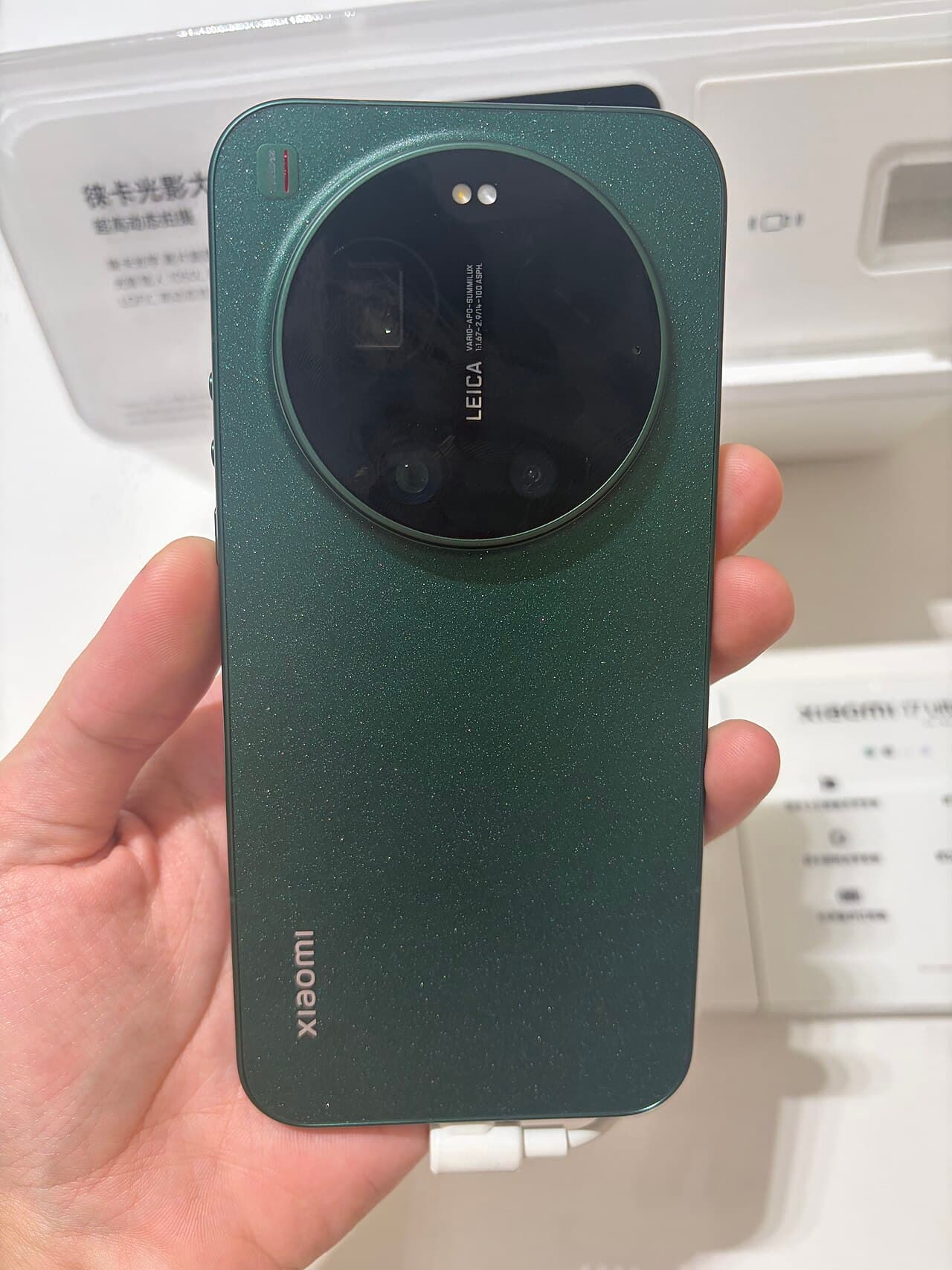
Xiaomi · SmartphoneXiaomi 17 Ultra
- Status
- Released
- Announced
- Announced 2026-02-28
- Verification
- Verified
- Last checked
- Checked 2026-10-30
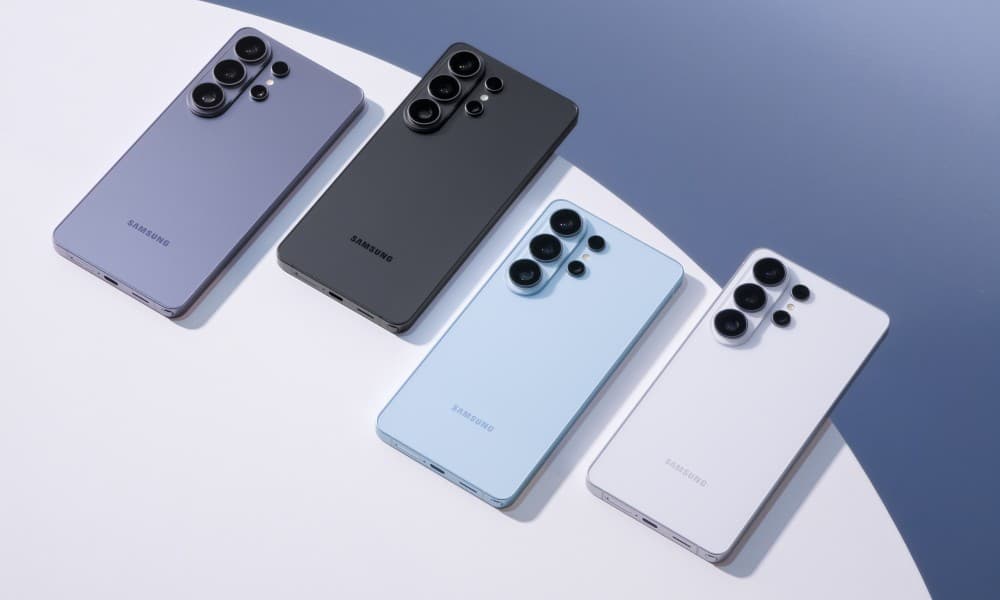
Samsung · SmartphoneGalaxy S26 Ultra
- Status
- Released · 2026-03-06
- Announced
- Announced 2026-02-25
- Verification
- Partially verified
- Last checked
- Checked 2026-10-02
Key differences
SpecificationXiaomi 17 UltraGalaxy S26 Ultra
Design & Build
| Specification | Xiaomi 17 Ultra | Galaxy S26 Ultra |
|---|---|---|
| Water resistance (differs) | IP68 (IEC 60529) | IP68 (immersible up to 1.5m for 30 min) |
| Colors (differs) | Black, White, Starlit Green | Cobalt Violet, Sky Blue, Black, White, Silver Shadow, Pink Gold |
Display
| Specification | Xiaomi 17 Ultra | Galaxy S26 Ultra |
|---|---|---|
| Display (differs) | 6.9-inch Xiaomi HyperRGB OLED display, Xiaomi Shield Glass 3.0, HDR10+ and Dolby Vision | 6.9-inch Dynamic AMOLED display |
Performance
| Specification | Xiaomi 17 Ultra | Galaxy S26 Ultra |
|---|---|---|
| Chipset model name (differs) | Snapdragon 8 Elite Gen 5 | Snapdragon 8 Elite Gen 5 For Galaxy |
Memory & Storage
| Specification | Xiaomi 17 Ultra | Galaxy S26 Ultra |
|---|---|---|
| Storage options (differs) | 512GB / 16GB RAM, 1TB / 16GB RAM | 256GB / 12GB RAM, 512GB / 12GB RAM, 1TB / 16GB RAM |
Battery & Charging
| Specification | Xiaomi 17 Ultra | Galaxy S26 Ultra |
|---|---|---|
| Wired charging (differs) | 90W wired HyperCharge (QC3+/PD3.0/90W PPS) | 60W wired, 75% in 30 min |
Camera
| Specification | Xiaomi 17 Ultra | Galaxy S26 Ultra |
|---|---|---|
| Rear cameras (differs) | Leica 23mm main 50MP, ƒ/1.67; Leica 75–100mm telephoto 200MP, ƒ/2.39–ƒ/2.96; Leica 14mm ultra-wide 50MP, ƒ/2.2 | Wide 200MP, ƒ/1.4; Telephoto (3x) 10MP, ƒ/2.4; Periscope Telephoto (5x) 50MP, ƒ/2.9; Ultrawide 50MP, ƒ/1.9 |
Connectivity
| Specification | Xiaomi 17 Ultra | Galaxy S26 Ultra |
|---|---|---|
| Wi-Fi (differs) | Wi-Fi 7 capability (varies by region), 2x2 MIMO | Wi-Fi 7 (802.11be), tri-band |
Software
| Specification | Xiaomi 17 Ultra | Galaxy S26 Ultra |
|---|---|---|
| Operating system at launch (differs) | Xiaomi HyperOS 3 | Android 16, One UI 9 |
Security & Sensors
| Specification | Xiaomi 17 Ultra | Galaxy S26 Ultra |
|---|---|---|
| Biometric authentication (differs) | Ultrasonic in-screen fingerprint sensor, AI face unlock | Under-display ultrasonic fingerprint |
These are specifications where both devices have a confirmed value and the values differ. A difference is not a judgement that either device is better. Showing 10 of 18 differences; the full specifications below include all of them.
Full specifications
differs · Not disclosed: not published by the manufacturer · —: not recorded
SpecificationXiaomi 17 UltraGalaxy S26 Ultra
Design & Build
4 differences
| Specification | Xiaomi 17 Ultra | Galaxy S26 Ultra |
|---|---|---|
| Water resistance (differs) | IP68 (IEC 60529) | IP68 (immersible up to 1.5m for 30 min) |
| Colors (differs) | Black, White, Starlit Green | Cobalt Violet, Sky Blue, Black, White, Silver Shadow, Pink Gold |
| Weight (differs) | 218.4 g (Black and White); 219 g (Starlit Green) | 214 g |
| Dimensions (differs) | 162.9 x 77.6 x 8.29 mm | 163.6 × 78.1 × 7.9 mm |
| Build materials | Not disclosed | Corning Gorilla Armor 2 front, Gorilla Glass Victus 2 back, aluminum frame |
Display
3 differences
| Specification | Xiaomi 17 Ultra | Galaxy S26 Ultra |
|---|---|---|
| Display (differs) | 6.9-inch Xiaomi HyperRGB OLED display, Xiaomi Shield Glass 3.0, HDR10+ and Dolby Vision | 6.9-inch Dynamic AMOLED display |
| Peak brightness (nits) (differs) | 3500 | 2600 |
| Refresh rate (Hz) | 120 | Not recorded |
| Resolution (differs) | 2608 x 1200 | 1440×3120 pixels (~500 ppi) |
Performance
2 differences
| Specification | Xiaomi 17 Ultra | Galaxy S26 Ultra |
|---|---|---|
| Chipset model name (differs) | Snapdragon 8 Elite Gen 5 | Snapdragon 8 Elite Gen 5 For Galaxy |
| Chipset (differs) | Snapdragon 8 Elite Gen 5 Mobile Platform (3nm) | Qualcomm Snapdragon 8 Elite Gen 5 (3nm) |
Memory & Storage
1 difference
| Specification | Xiaomi 17 Ultra | Galaxy S26 Ultra |
|---|---|---|
| Storage options (differs) | 512GB / 16GB RAM, 1TB / 16GB RAM | 256GB / 12GB RAM, 512GB / 12GB RAM, 1TB / 16GB RAM |
Battery & Charging
3 differences
| Specification | Xiaomi 17 Ultra | Galaxy S26 Ultra |
|---|---|---|
| Wired charging (differs) | 90W wired HyperCharge (QC3+/PD3.0/90W PPS) | 60W wired, 75% in 30 min |
| Video playback | Not disclosed | Up to 31 hours of video playback |
| Battery capacity (mAh) (differs) | 6000 | 5000 |
| Wireless charging (differs) | 50W wireless HyperCharge (wireless charger sold separately) | 25W wireless (Qi2.2) |
Camera
2 differences
| Specification | Xiaomi 17 Ultra | Galaxy S26 Ultra |
|---|---|---|
| Rear cameras (differs) | Leica 23mm main 50MP, ƒ/1.67; Leica 75–100mm telephoto 200MP, ƒ/2.39–ƒ/2.96; Leica 14mm ultra-wide 50MP, ƒ/2.2 | Wide 200MP, ƒ/1.4; Telephoto (3x) 10MP, ƒ/2.4; Periscope Telephoto (5x) 50MP, ƒ/2.9; Ultrawide 50MP, ƒ/1.9 |
| Front cameras (differs) | Front 50MP, ƒ/2.2 | Wide 12MP, ƒ/2.2 |
| Video recording | 8K at 30fps; 4K Dolby Vision at 30/60/120fps; Log up to 4K at 120fps; slow motion up to 1080p at 1920fps | Not recorded |
Connectivity
1 difference
| Specification | Xiaomi 17 Ultra | Galaxy S26 Ultra |
|---|---|---|
| Bluetooth | Bluetooth 6.0 · same on both | |
| SIM | Dual SIM (nano + nano, nano + eSIM, or eSIM + eSIM; varies by region) | Not recorded |
| Wi-Fi (differs) | Wi-Fi 7 capability (varies by region), 2x2 MIMO | Wi-Fi 7 (802.11be), tri-band |
| NFC | Yes · same on both | |
| Cellular technology | 5G SA/NSA, 4G LTE FDD/TDD, 4x4 MIMO | Not recorded |
| Positioning | GPS L1+L5, Galileo E1+E5a, GLONASS G1, BeiDou, QZSS L1+L5, NavIC L5 | Not recorded |
Software
1 difference
| Specification | Xiaomi 17 Ultra | Galaxy S26 Ultra |
|---|---|---|
| Operating system at launch (differs) | Xiaomi HyperOS 3 | Android 16, One UI 9 |
Security & Sensors
1 difference
| Specification | Xiaomi 17 Ultra | Galaxy S26 Ultra |
|---|---|---|
| Biometric authentication (differs) | Ultrasonic in-screen fingerprint sensor, AI face unlock | Under-display ultrasonic fingerprint |
Terms used on this page (10)
- ppi
- Pixels per inch: how densely pixels are packed on the screen.
- Nits
- A unit of screen brightness (candela per square metre). Typical, HDR and outdoor peak figures are measured under different conditions.
- Refresh rate (Hz)
- How many times per second the display can redraw the image.
- IP rating
- Ingress protection under IEC 60529: the first digit rates dust protection, the second water protection, each under the manufacturer's stated test conditions.
- mAh and Wh
- Battery capacity. mAh is charge; Wh also accounts for voltage, so it is the more comparable energy figure across device types.
- eSIM
- A SIM built into the device and activated digitally instead of a physical card.
- Wi-Fi 6E / Wi-Fi 7
- Wi-Fi 6E adds the 6 GHz band to Wi-Fi 6; Wi-Fi 7 (802.11be) adds wider channels and multi-link operation. Real speeds depend on the router and network.
- Aperture (ƒ-number)
- A lower ƒ-number means a wider lens opening that lets in more light.
- OLED
- A display whose pixels emit their own light, so black areas can be fully dark; LCDs use a separate backlight.
- Qi2 / MagSafe
- Wireless charging standards with magnetic alignment; the quoted wattage is the maximum with a compatible charger.
Sources & verification
Xiaomi 17 Ultra
Verified 2026-10-30- XiaomiManufacturer specificationsTier 1
- XiaomiManufacturer support documentationTier 1
- Photo: 茅野ふたば, CC BY-SA 4.0 (Wikimedia Commons)Independent technical sourceTier 2
Galaxy S26 Ultra
Verified 2026-10-02- Samsung ElectronicsManufacturerTier 1
- Samsung ElectronicsManufacturerTier 1
- Samsung Newsroom — Galaxy S26 series unveilingManufacturer newsroomTier 1
- GSMArena — Samsung Galaxy S26 UltraIndependent technical sourceTier 2
Tier 1 sources are the manufacturer's own product pages, technical specification sheets, or support documentation. Tier 2 sources are reputable independent technical references, used only for facts that couldn't be confirmed from official documentation, as is the case for some facts here.